Calendar
Be the best of yourself
光剑美高彰显在全球教育领域的卓越实力
 GUANGHUA ACADEMY >
 Chasing the Current: Rainy Days and Trendsetters in Changsha
On March 26, the students and faculty of Guanghua Academy stepped away from their rigorous academic schedules to embark on a three-day cultural immersion in Changsha. Known as a city of "mountains, rivers, and islands," Changsha offered our students a unique "City Walk" experience—a collision between ancient heritage and vibrant modern life.
Over 72 hours, our students traced the pulse of this 2,000-year-old city. From the heights of Mount Yuelu to the neon-lit IFS Terminal, every stop left a mark. Join us as we revisit these moments of discovery through the mist of a Hunan spring.

Our first stop was Hunan University, a "campus without walls" nestled at the foot of the mountains. Students gathered at the vermilion monument at Dongfanghong Square. Standing before the statue of Chairman Mao with the verdant silhouette of Mount Yuelu behind them, they captured the essence of their youth against the backdrop of history.
As they hiked the mountain paths, the air was thick with the scent of new growth. At Aiwan Pavilion, the classic upturned eaves stood silent in the breeze. While it lacked the "redder than February flowers" maple leaves of autumn, the budding green of spring offered a different, refreshing vitality.
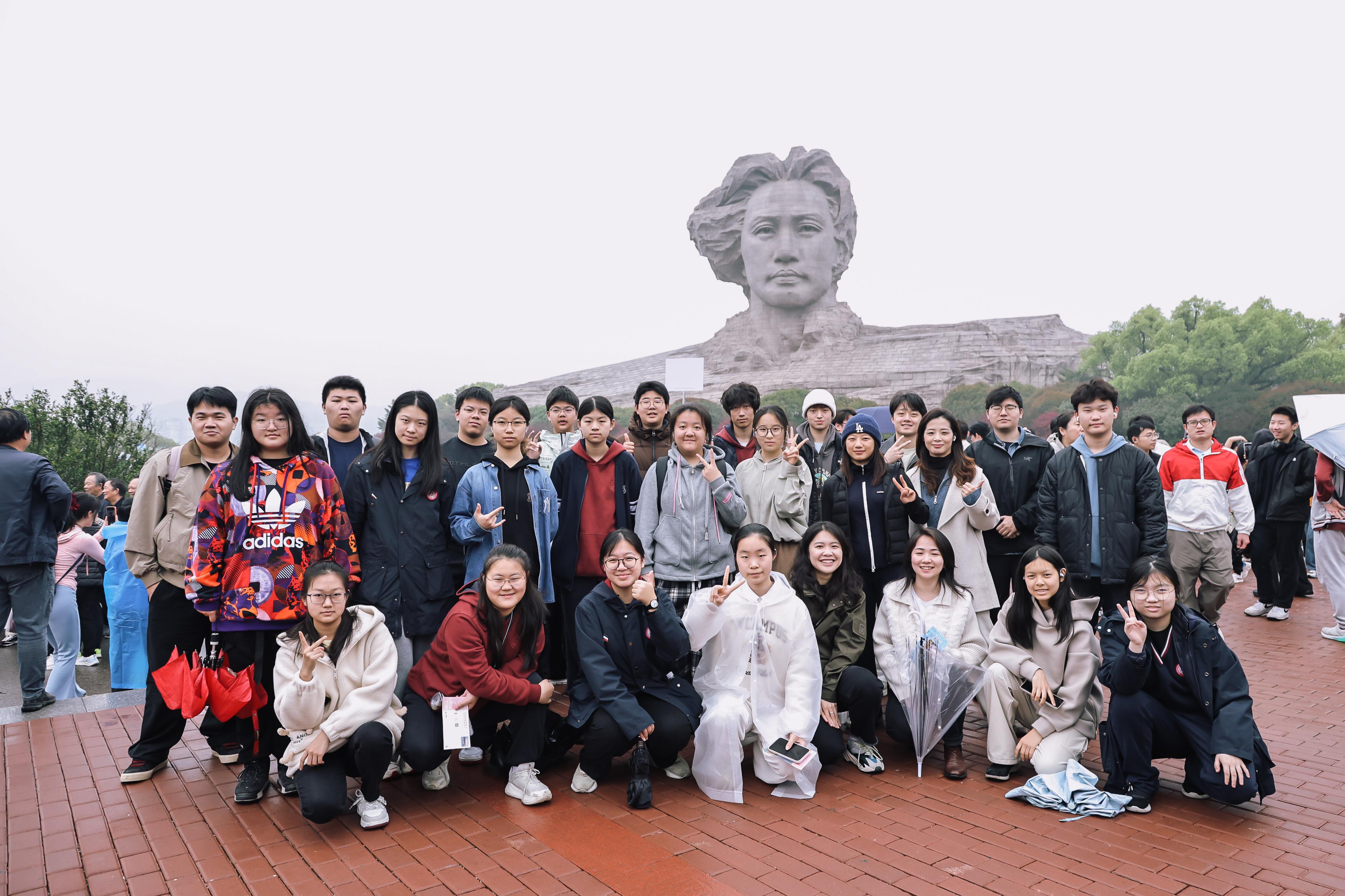
These famous lines were written by a 32-year-old Mao Zedong in 1925. Today, Orange Isle stretches across the river like a green vessel moored in spring waters. Our students crossed the isle by mini-train under a light drizzle, passing camphor trees and peach blossoms. At the tip of the island stands the colossal statue of the young Mao, gazing toward the southeast.
Standing on the same ground where young scholars once questioned the future of their nation, our students—armed with cameras and smartphones—felt a shared sense of ambition and "spirit" that transcends generations.
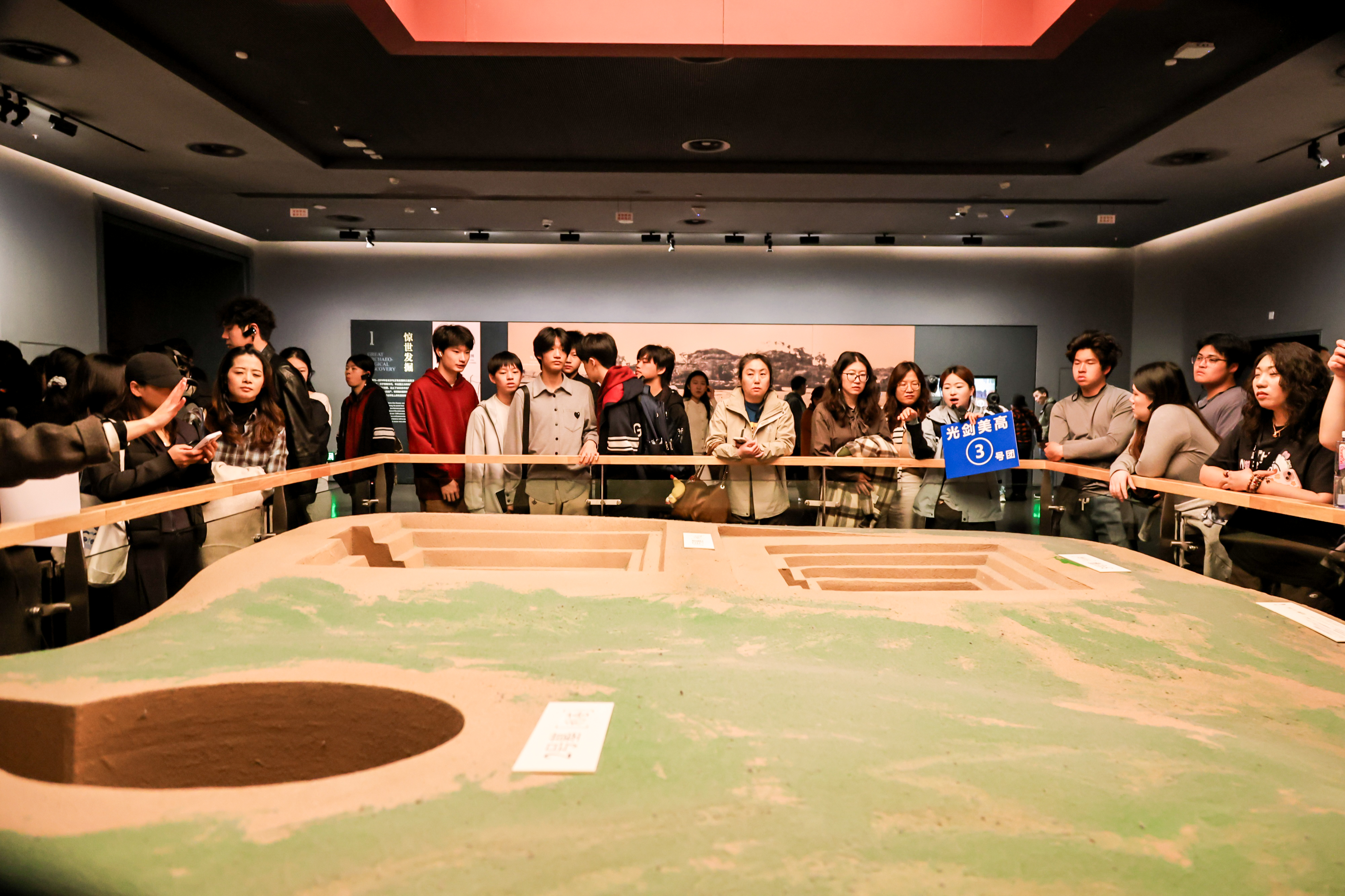
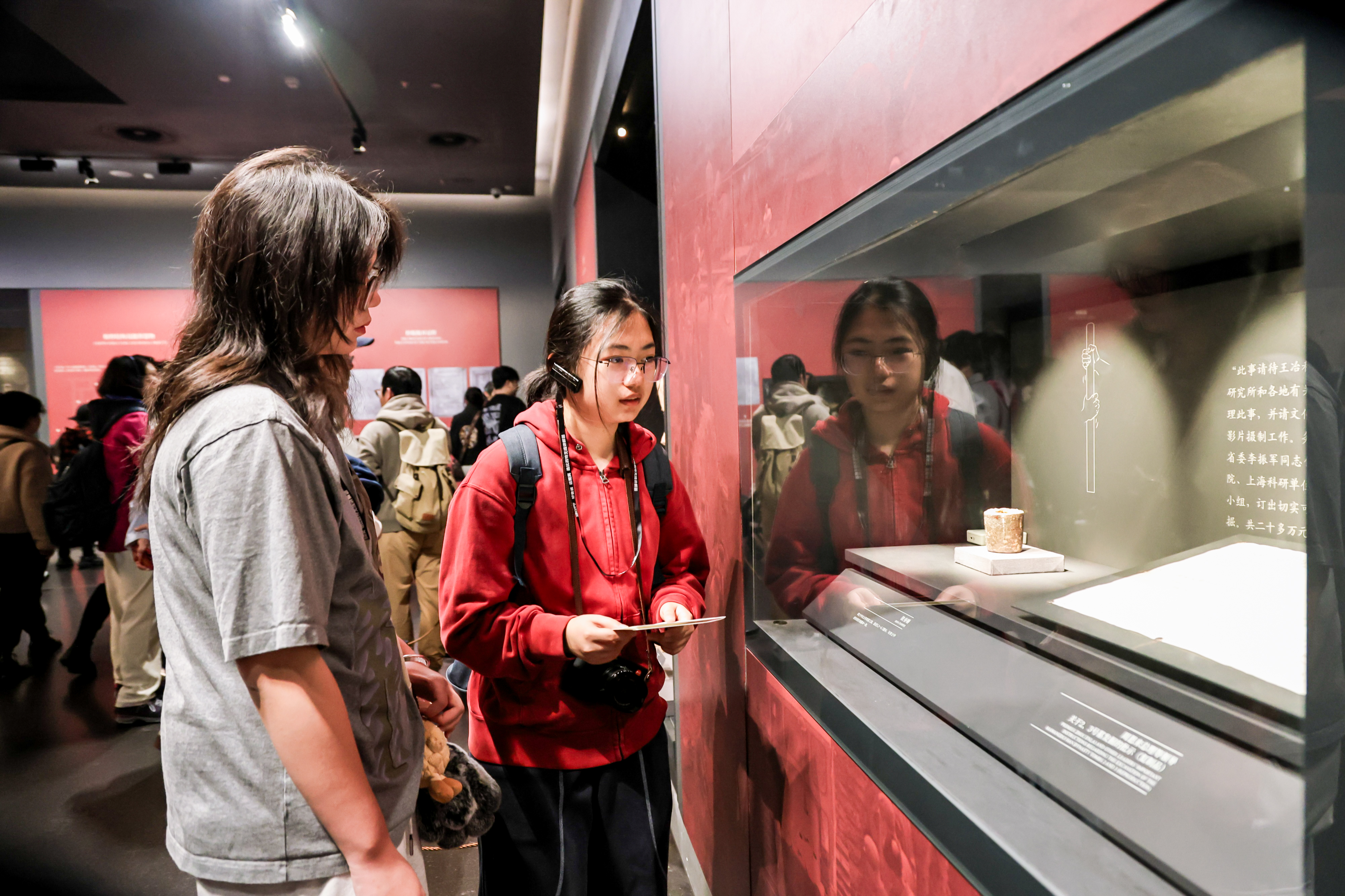
At the Hunan Museum, the grey-and-white architecture gleamed under the rain. Stepping through the doors felt like entering a portal to another era.
In the Mawangdui Han Dynasty exhibit, the atmosphere grew hushed. Students were captivated by the "Plain Unlined Gauze Gown," a garment as light as mist and thin as a cicada's wing. Weighing only 49 grams—roughly the weight of a few eggs—it represents the pinnacle of ancient craftsmanship. Seeing the lacquerware, silk books, and musical instruments, students were struck by the ancient pursuit of "immortality" and the profound weight of preserved history.

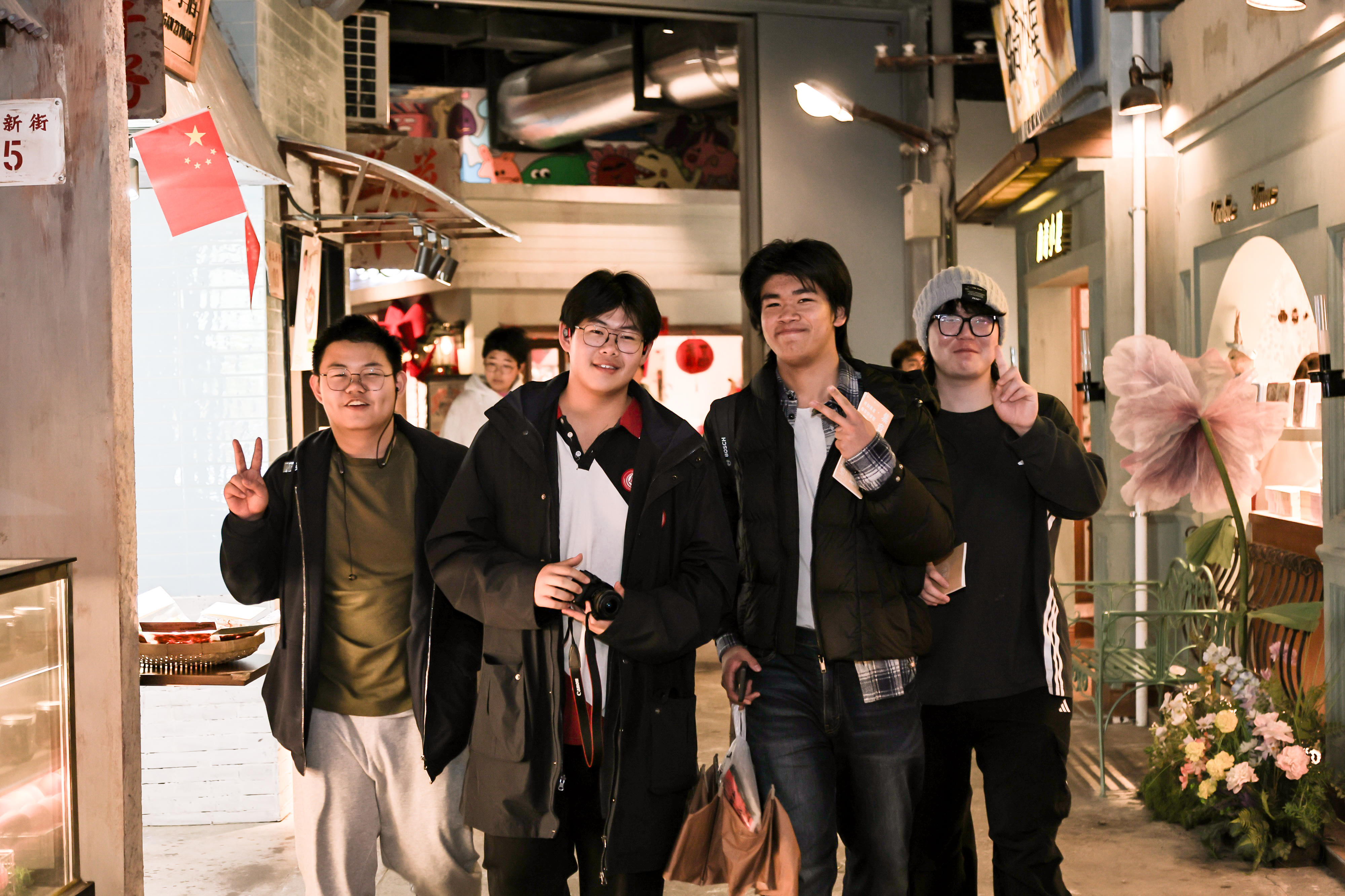
Wenheyou transported us back to the 1980s. Under layers of weathered neon signs and amidst vintage televisions and sewing machines, students explored the textures of old Changsha.
Emerging from the nostalgic maze into a sudden downpour, the group headed toward the IFS International Finance Center. Here, the contrast was stark: the glass curtains of the skyscraper were washed clean by the rain, and the massive KAWS sculpture sat perched on the roof, its grey form shimmering under the city lights. From this height, the students looked out over the misty Xiang River and the glowing watercolors of the Wuyi Square skyline.

This three-day journey was more than a trip; it was an open book. Our students measured the steps of Mount Yuelu with their feet, read the silent language of artifacts with their eyes, and felt the spring rain of the Xiang River on their skin. They didn't just read history; they felt its warmth and humidity. The seeds planted during this rainy spring in Changsha will undoubtedly find their own moment to bloom.