Calendar
Be the best of yourself
光剑美高彰显在全球教育领域的卓越实力
 GUANGHUA ACADEMY >
 A Journey Across the Ocean: Unlocking the "Open Secrets" of 15 Elite U.S. Universities
As the new semester begins, the most talked-about topic on campus is our leadership team's recent winter tour of the United States. From Los Angeles to New York, and from Princeton to Stanford, our team visited fifteen world-class institutions. During the Lunar New Year, these campuses opened their doors to our educators for face-to-face meetings with admissions officers and Ivy League coaches. This journey provided more than just first-hand information; it allowed for a profound connection with the "soul" of American higher education.
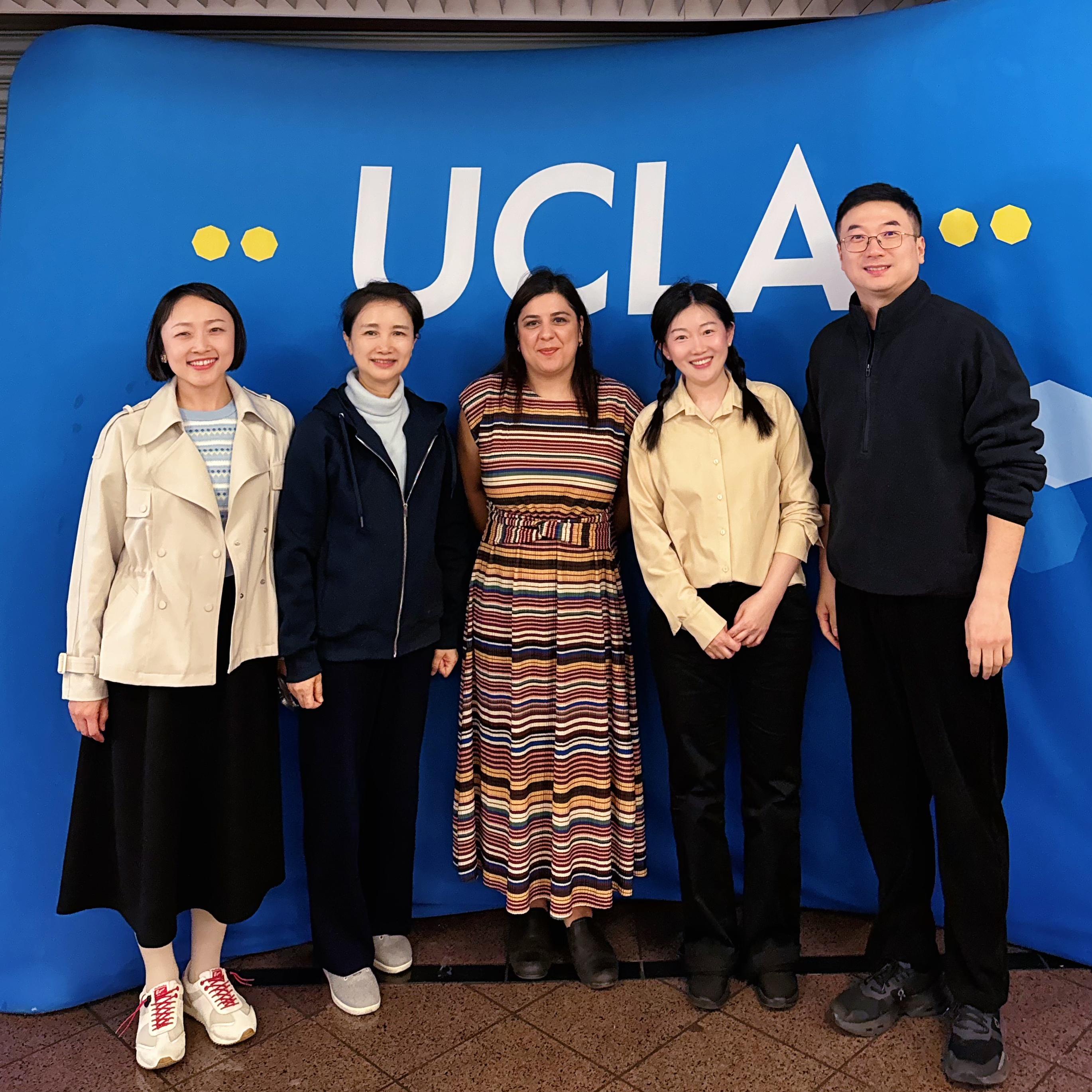
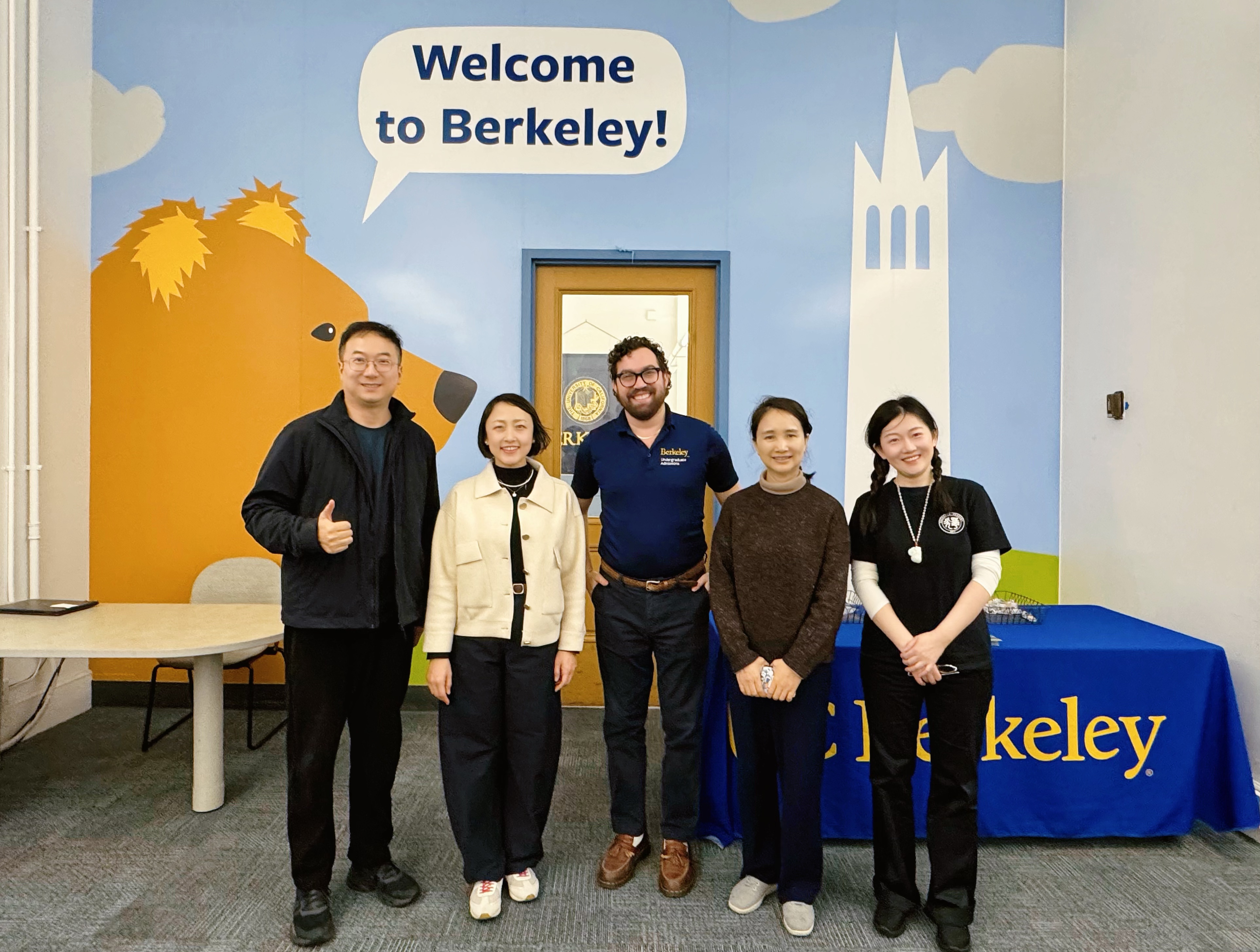
Every university is a world unto itself. On some campuses, we saw students rushing between labs, perhaps developing the next world-changing technology; on others, students sat in quiet courtyards discussing poetry and philosophy. "We often speak of the 'richness' of American educational resources," our Principals reflected, "but it is only when you stand on these campuses that you truly feel the weight of that word."
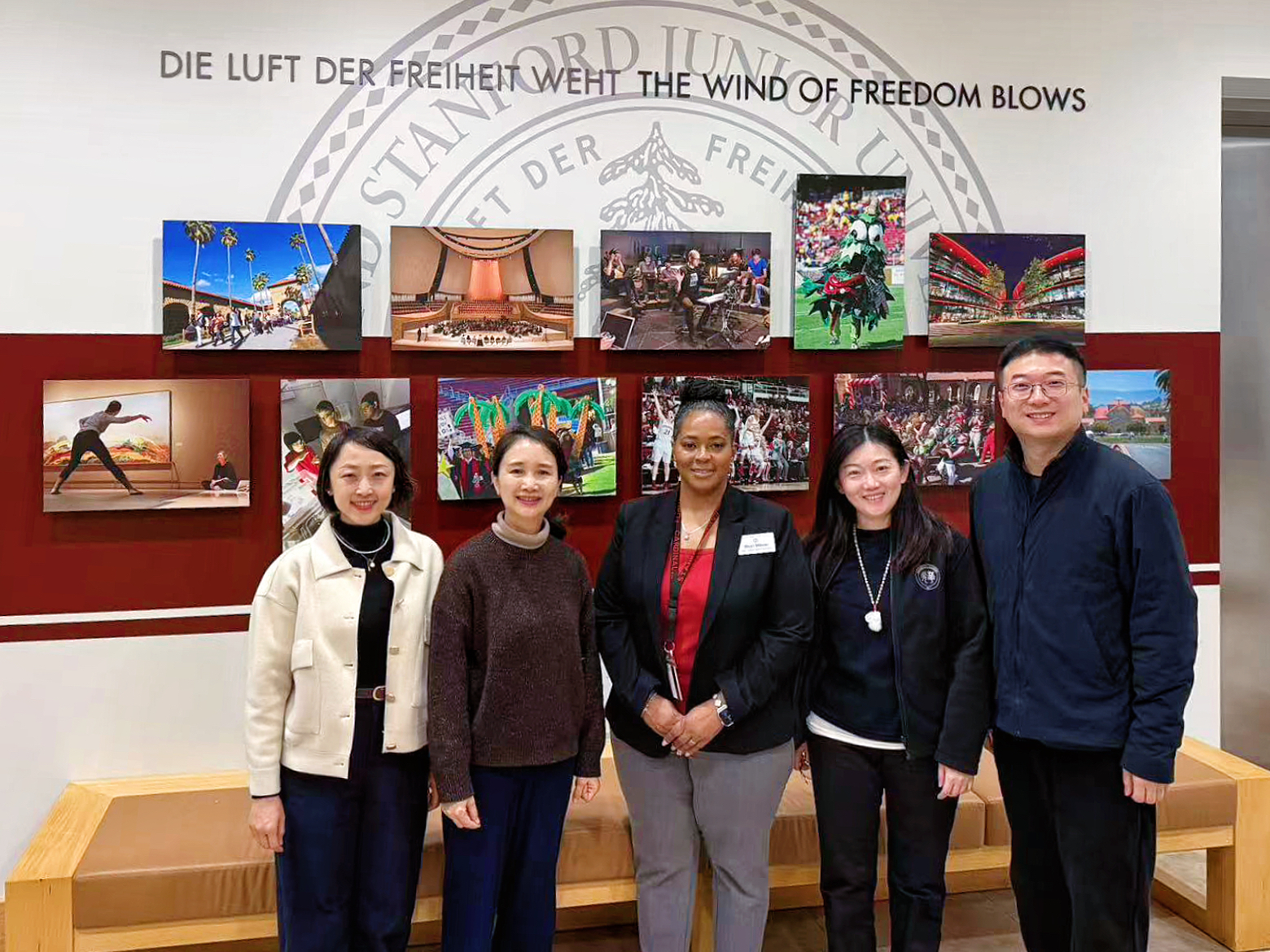
A key takeaway from our meetings: "Every university has its own DNA." Interestingly, the same application profile might be viewed differently across various institutions. This isn't a matter of ranking standards, but of "institutional fit." Schools are looking for students whose temperament and values align with their specific campus culture.
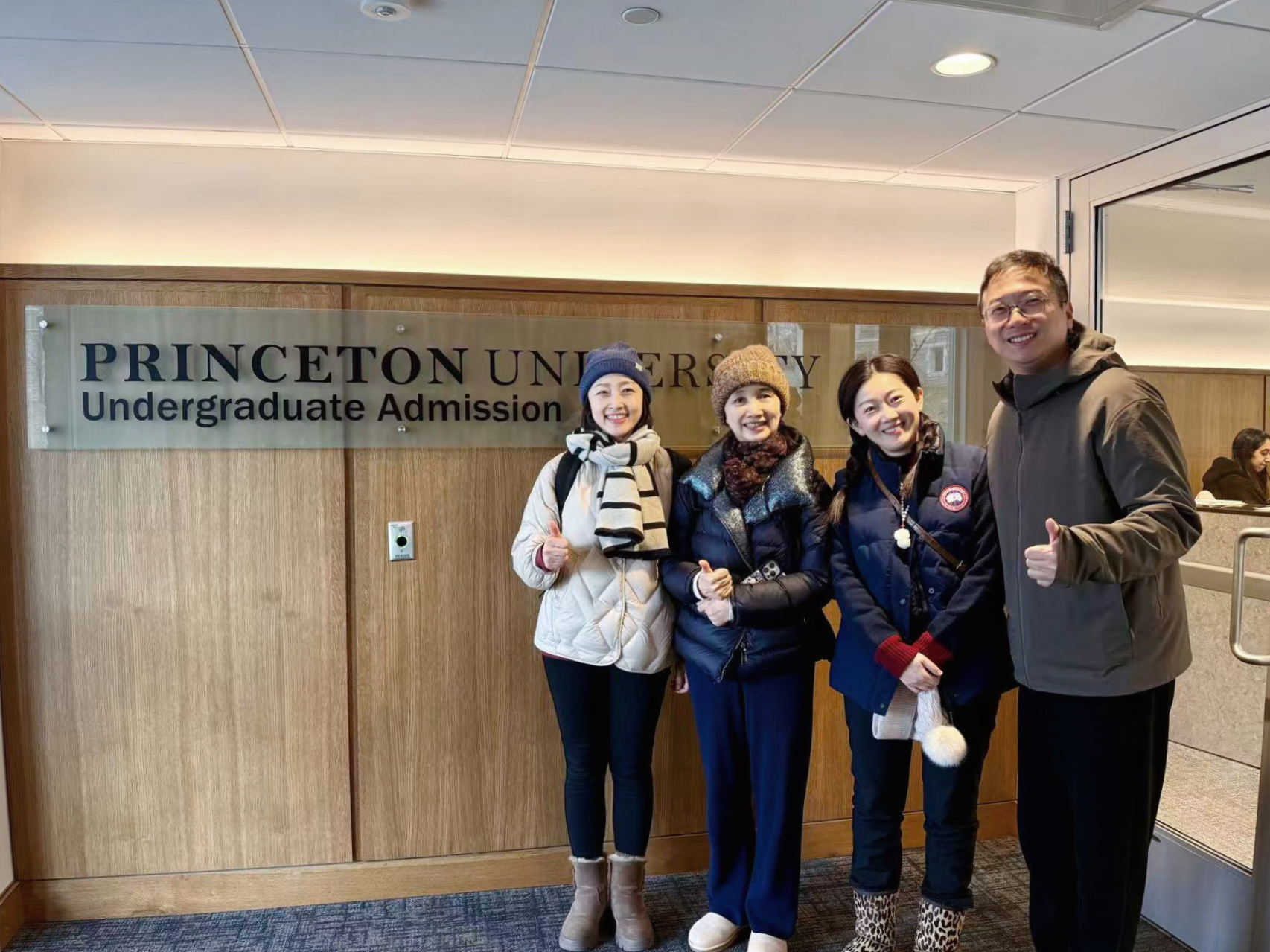
We strongly encourage our younger students to utilize winter and summer breaks for U.S. campus tours. In the world of college admissions, the greatest setback isn't a rejection—it’s receiving an acceptance letter only to realize the school isn't the right fit. Geography, climate, and social atmosphere are factors that can only be truly judged by standing on the ground.
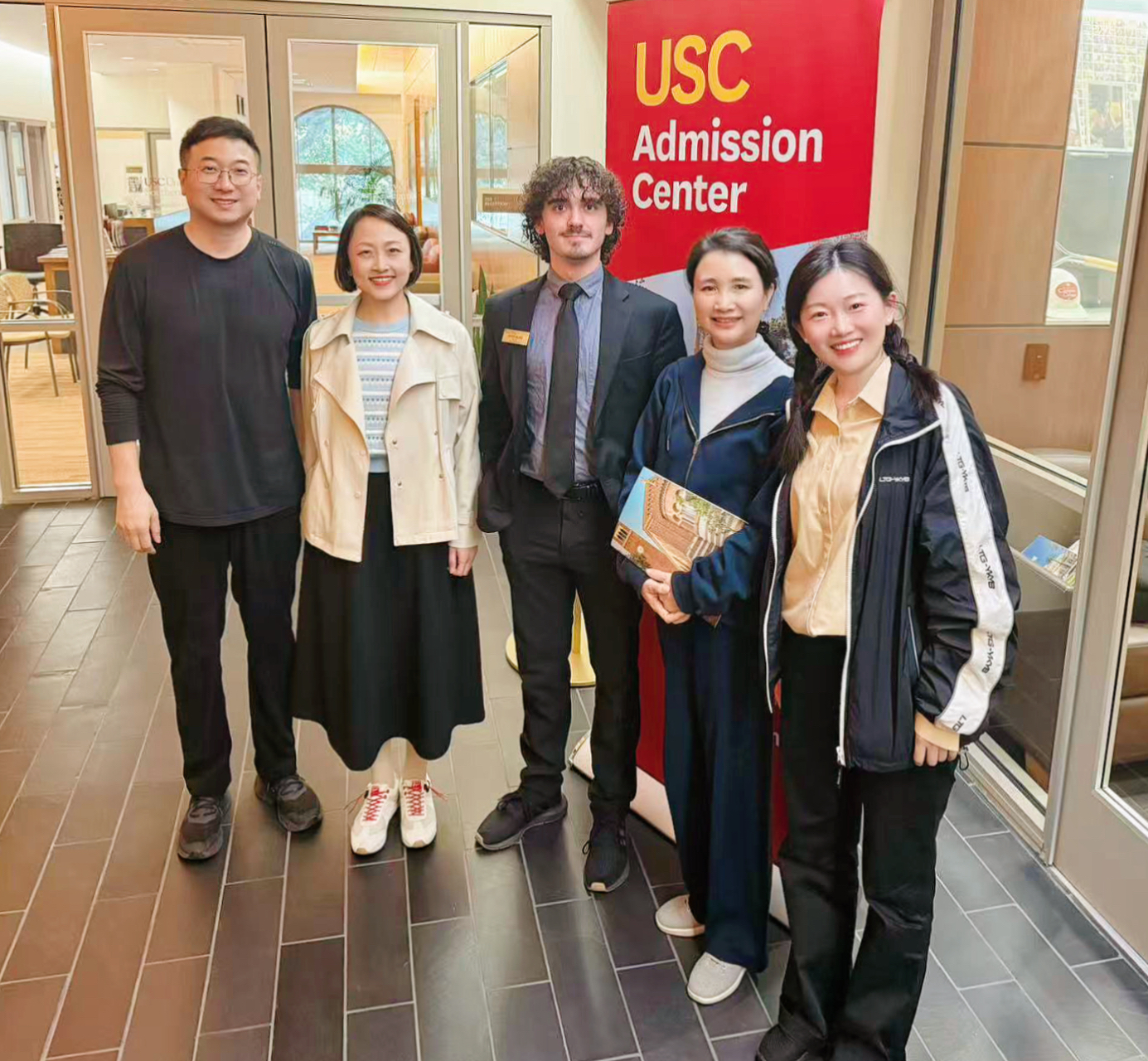
Top-tier standardized test scores (TOEFL, SAT/ACT) and strong internal transcripts remain the "entry tickets" to elite universities. Without these academic foundations, even the most compelling extracurricular stories may go unnoticed. For students in a U.S. high school track, English proficiency is the cornerstone. Achieving target scores early allows students to take the initiative in their applications and sets a higher ceiling for their future development.
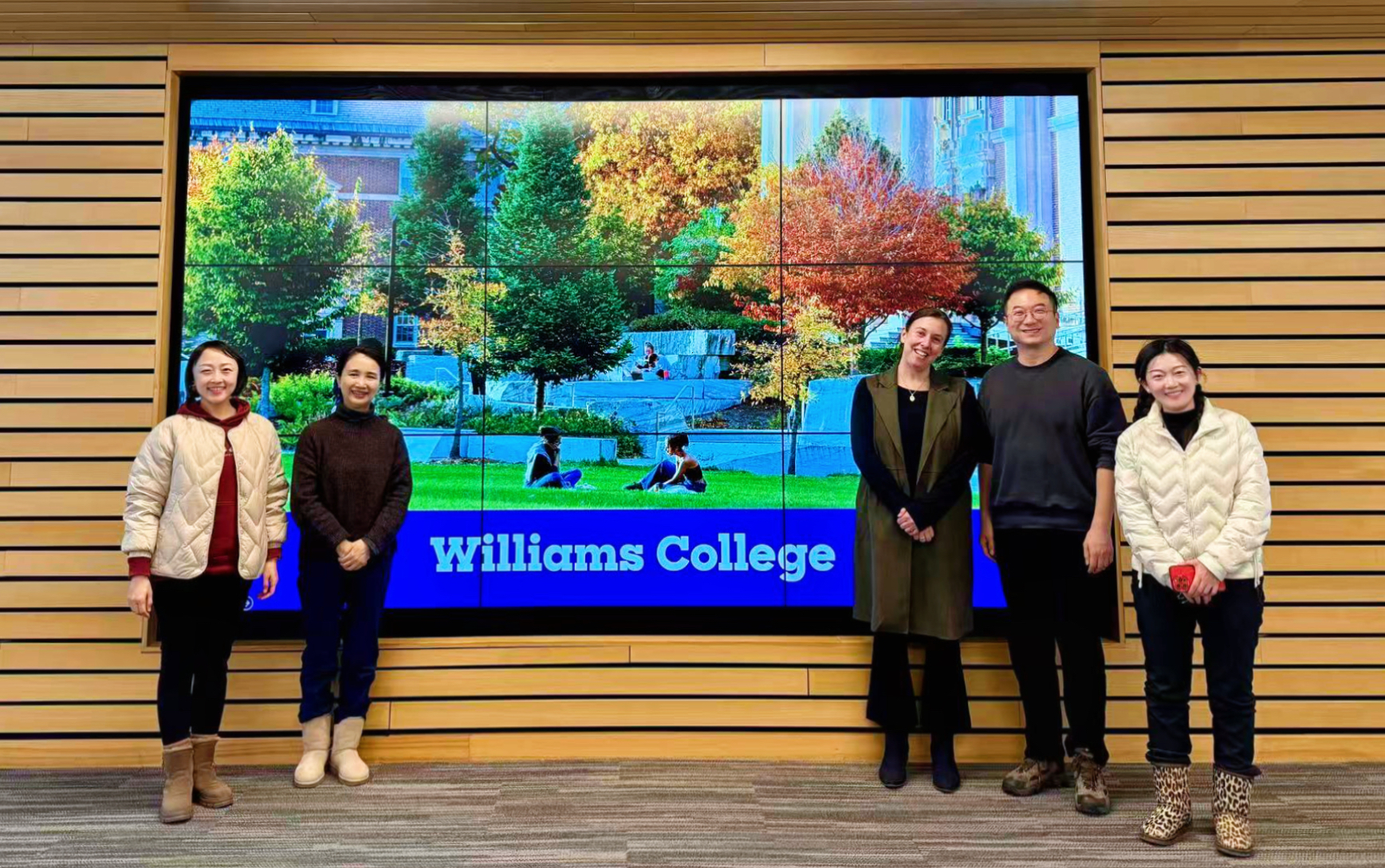
Success stories from our alumni prove this academic rigor pays off: Alumna Mei graduated from New York University in just two and a half years by leveraging multiple AP credits. We also caught up with Alumnus Zeng at Yale University, who is currently pursuing a Master's degree after building a formidable academic foundation.

"Find your passion and explore it deeply." This is not just a slogan; it is a core application strategy. Admissions officers shared that they are not necessarily looking for "well-rounded" perfectionists. Instead, they seek "angular" students—those who have truly invested, thought critically, and created something meaningful in a field they love.

On the sidelines of university stadiums, we engaged in deep dialogues with Athletic Recruitment Directors. In the U.S., "star athletes" hold the same prestige as "top scholars" do in China. This is why Guanghua Academy is significantly increasing its investment in sports. Athletics do more than build physical strength; they are the ultimate training ground for leadership, teamwork, and resilience. Students who fight for every point on the field often bring that same tenacity to the classroom.
This transoceanic journey was not an end, but a new beginning. We look forward to seeing Guanghua Academy students not only reach their dream campuses but discover the best versions of themselves along the way.