Calendar
Be the best of yourself
光剑美高彰显在全球教育领域的卓越实力
 GUANGHUA ACADEMY >
 A Student-Athlete's Journey to Cornell
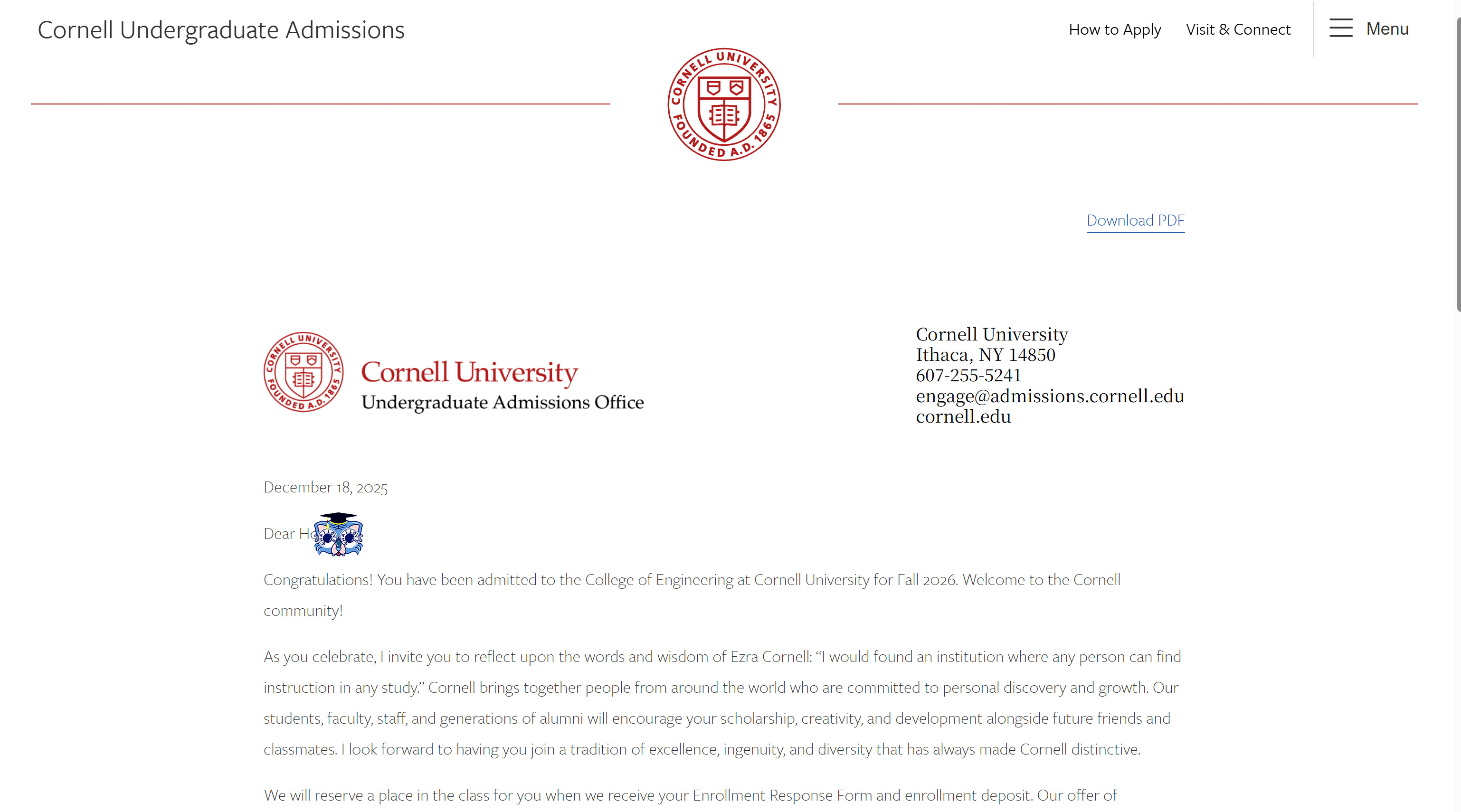
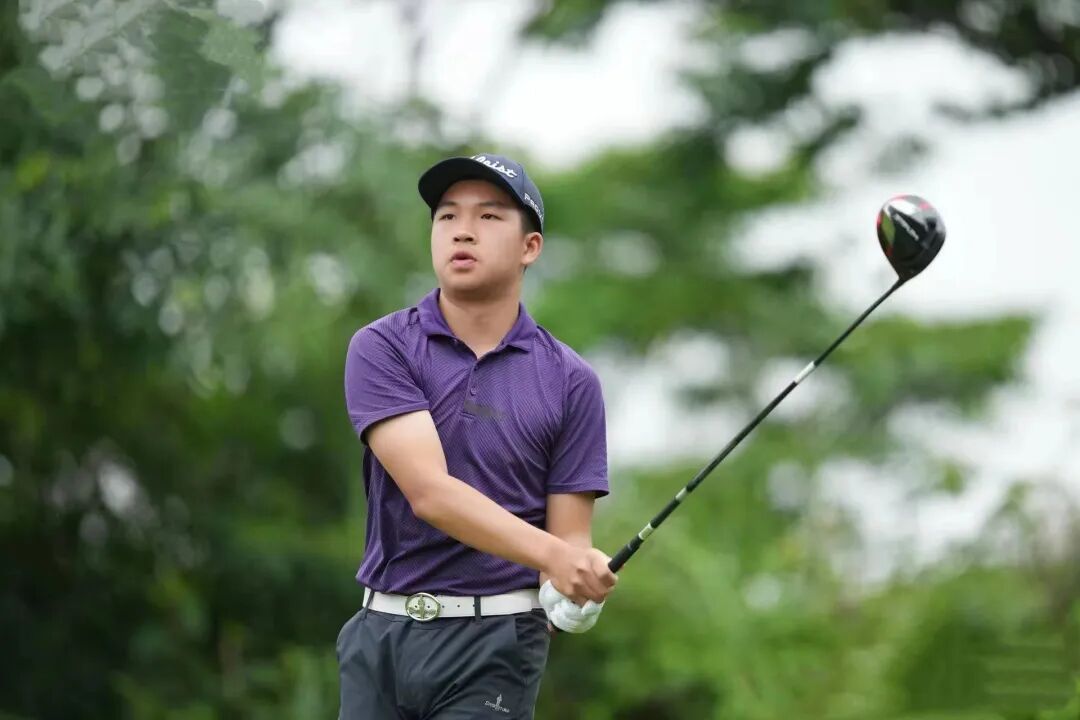
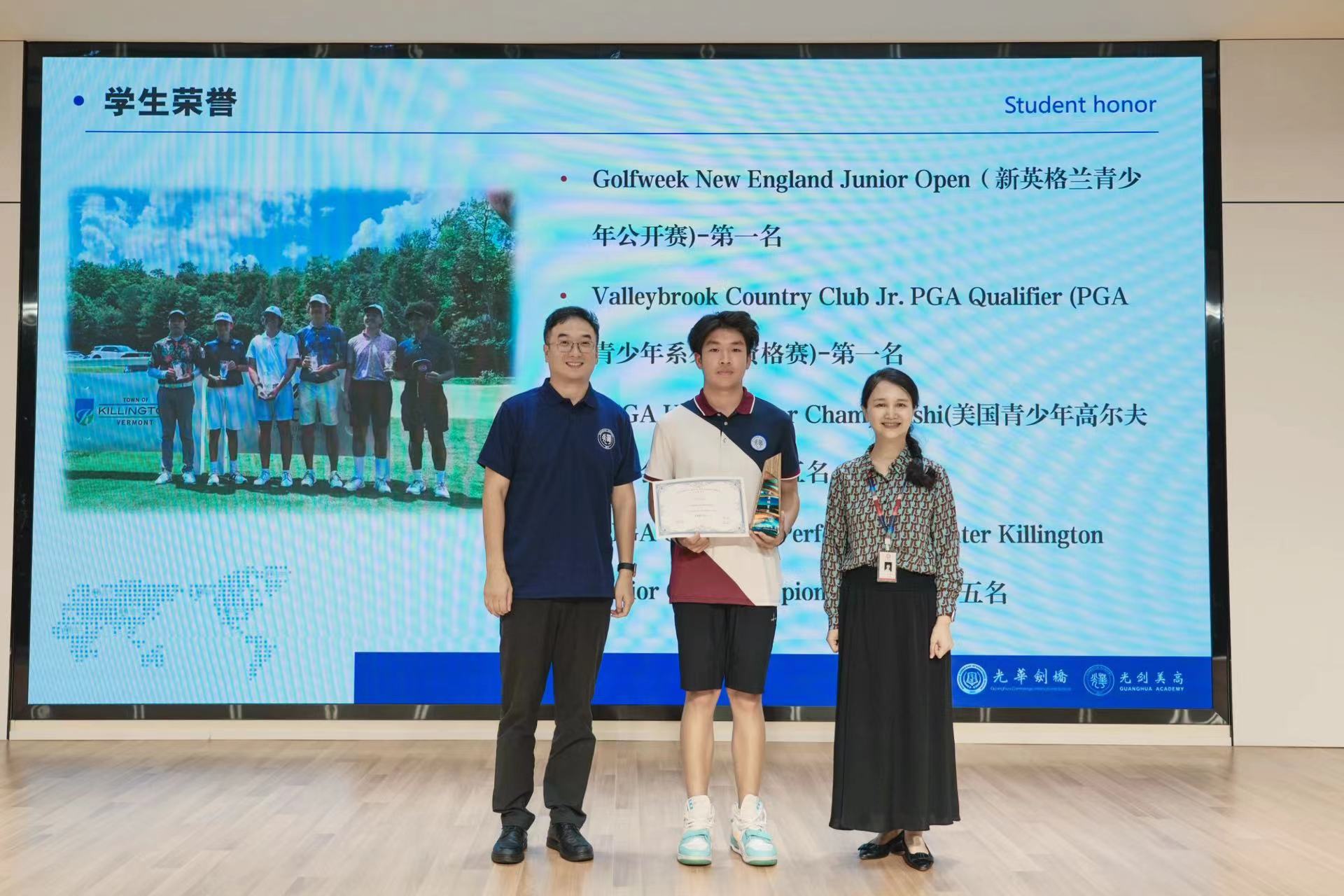
We are proud to share another outstanding college admission result from our school community. Gu, a senior student-athlete, has been officially admitted to Cornell University, earning his place through a combination of strong academic performance and competitive excellence in golf.
From receiving confirmation from the university’s golf program in July to securing his formal offer this admission cycle, Gu’s journey reflects years of disciplined preparation, sustained effort, and balanced development. His success highlights not only individual determination, but also the effectiveness of an educational model that values both academic rigor and athletic commitment.
As a member of the Ivy League, Cornell University is internationally recognized for its academic distinction and long-standing athletic tradition. In the U.S. News 2025–2026 rankings, Cornell is ranked #16 globally and #12 nationally, reaffirming its position as one of the world's leading research universities.
Gu's admission once again demonstrates our school's success in supporting students who pursue excellence across multiple dimensions. It also affirms that an education grounded in both scholarship and specialized talent can open diverse pathways to top-tier global universities.
To address questions frequently raised by students and families, we recently sat down with Gu for an in-depth conversation. His reflections may offer practical insight and encouragement to students who aspire to compete at the collegiate level, or who are navigating the balance between academics and personal passion.
Can you share your experience with the U.S. college athletic recruitment process and how you planned ahead?
My athletic recruitment was a long-term process. For college golf, I began communicating with coaches very early—often one to two years in advance. If a coach had a positive initial impression, they would usually outline specific areas for improvement and continue observing my progress.
After some time, I would re-introduce myself with updated performance results. If the coach remained interested, the communication continued. For example, Cornell's coach has followed my development since our first meeting last year and consistently gave me positive feedback, which provided a great deal of reassurance.
Throughout the process, it was essential to strictly follow NCAA regulations. The NCAA has clear timelines for different grade levels, including when athletes are permitted to visit campuses or communicate with coaches, either online or in person. I simply followed these timelines step by step and completed each requirement as scheduled.
In terms of early planning, I focused heavily on identifying the right target schools. Athletic recruitment differs from standard academic applications. Beyond rankings and academic strengths, student-athletes must consider additional constraints. For instance, some universities restrict major choices for NCAA athletes, so I first confirmed whether my intended major was available.
Team competitiveness was also critical. If a team's level is significantly beyond my current ability, it is not a realistic match. The goal is to find a program where athletic level and academic fit align. My planning therefore centered on identifying schools where both dimensions could work together.
Why did you decide to pursue Materials Science and Engineering, and how does it connect to golf?
In Grade 10, I initially considered business or finance, and I performed well in both macroeconomics and microeconomics. Over time, however, I realized that my strengths are better suited to technical and analytical work rather than highly social professions. That led me to shift toward STEM fields, and Cornell’s strong College of Engineering aligned well with this direction.
My choice of Materials Science and Engineering is directly connected to my experience as a golfer. One example is sports apparel—playing golf in Shanghai winters made me think about how materials can provide warmth without restricting movement. Even more influential was my interest in golf club design.
The shaft material, stiffness, kick point, and overall construction of a club significantly affect performance. Every few months, I visit professional fitting centers where data from my swing determines whether adjustments or replacements are needed. I rely entirely on specialized technology and experts for this process.
That feeling—being deeply connected to something I love, yet not fully understanding or controlling the technology behind it—sparked my curiosity. I want to understand how material choices and structural design influence performance, whether to improve my own game or potentially contribute to golf equipment design in the future.
The idea that subtle changes in material composition or weight distribution can alter ball flight is fascinating to me. Studying materials science became a natural way to connect my athletic passion with a long-term academic and professional interest.
What were your impressions of the team environment during your campus visit, and how do you see your future role on the team?
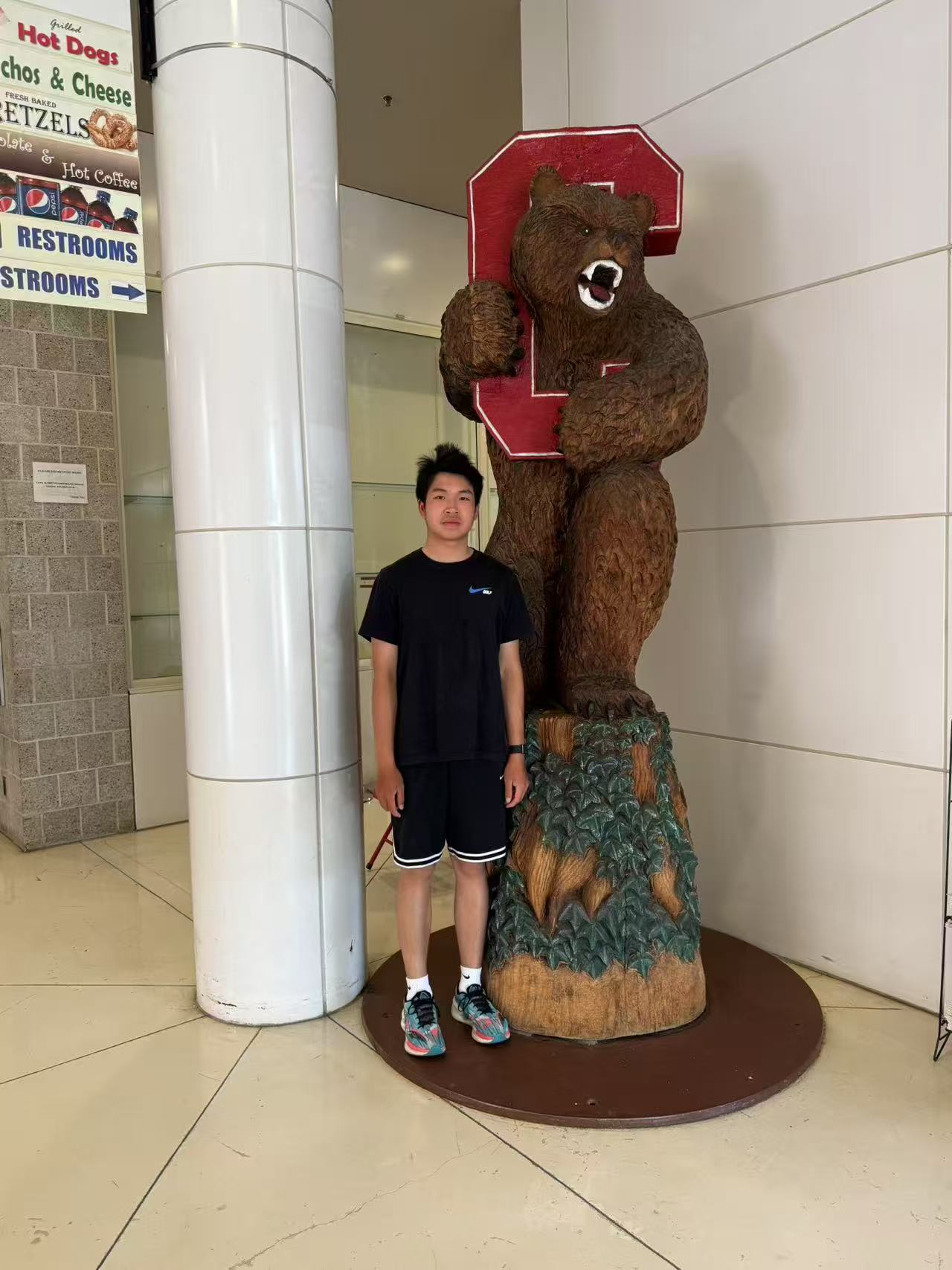
One small regret from my visit was that the team was on break, so I didn't get to meet every player or support staff. However, everyone I did meet—from course staff to administrators—was incredibly welcoming. You could tell they genuinely care about the athletes’ development.
Many of them are long-time Ithaca locals with deep pride in the team. They are eager to see the program succeed in conference play and beyond. That kind of passion for a team transcends borders.
I may be the first Asian—and possibly the first Chinese—player to join the team in several years. When they learned that a student from China would be joining, they were genuinely excited and curious about my playing level.
That sense of expectation motivates me. It pushes me to work harder and play better—not only for myself, but for the team as well. I feel confident that I chose a program where I can realistically contribute and continue to grow.
What advice would you give to students considering athletic recruitment or a combined academic-athletic pathway?
First, persistence.
No matter what difficulties or doubts arise—whether from others or from yourself—you must believe in the path you’ve chosen. Self-doubt is the greatest obstacle. The most important thing is to stay committed.
Second, intentional choice.
Be honest about why you pursue your sport. It cannot be purely for college admissions. You must genuinely love the game and truly believe that competing for a U.S. college team is meaningful and exciting. Only then will you have the motivation to sustain long-term effort.
Third, the right guidance.
Seek professional and appropriate support for planning and recruitment. Whether you are studying at a U.S. high school or an international campus, there are strong resources available. In cities like Shanghai, it is possible to find experienced mentors who can provide effective guidance throughout the process.