Calendar
Be the best of yourself
光剑美高彰显在全球教育领域的卓越实力
 GUANGHUA ACADEMY >
 Off-Campus Learning: When AI Meets Elder Care, and When Forklifts Start to Think
In class, students use AI to summarize, search, or write — only to have their text instantly spotted as “too artificial.” Is that the right way to use AI?
Beyond the classroom, Guanghua Academy students turned curiosity into action. They stepped out to see how technology reshapes industries — from smart cities and elder care to intelligent logistics and agriculture — transforming knowledge into innovation.

At Lenovo Shanghai Future Center, G10-2 student Ding Yihang was greeted by a massive welcome screen—“Welcome Guanghua Academy”—and a stunning holographic display.
“Before this visit, I mostly thought of Lenovo as a computer brand,” he said. “Now I see how deeply it explores intelligent manufacturing and information technology.”
In the Smart Education zone, an interactive blackboard combining chalk and digital display reminded students of their own classrooms.
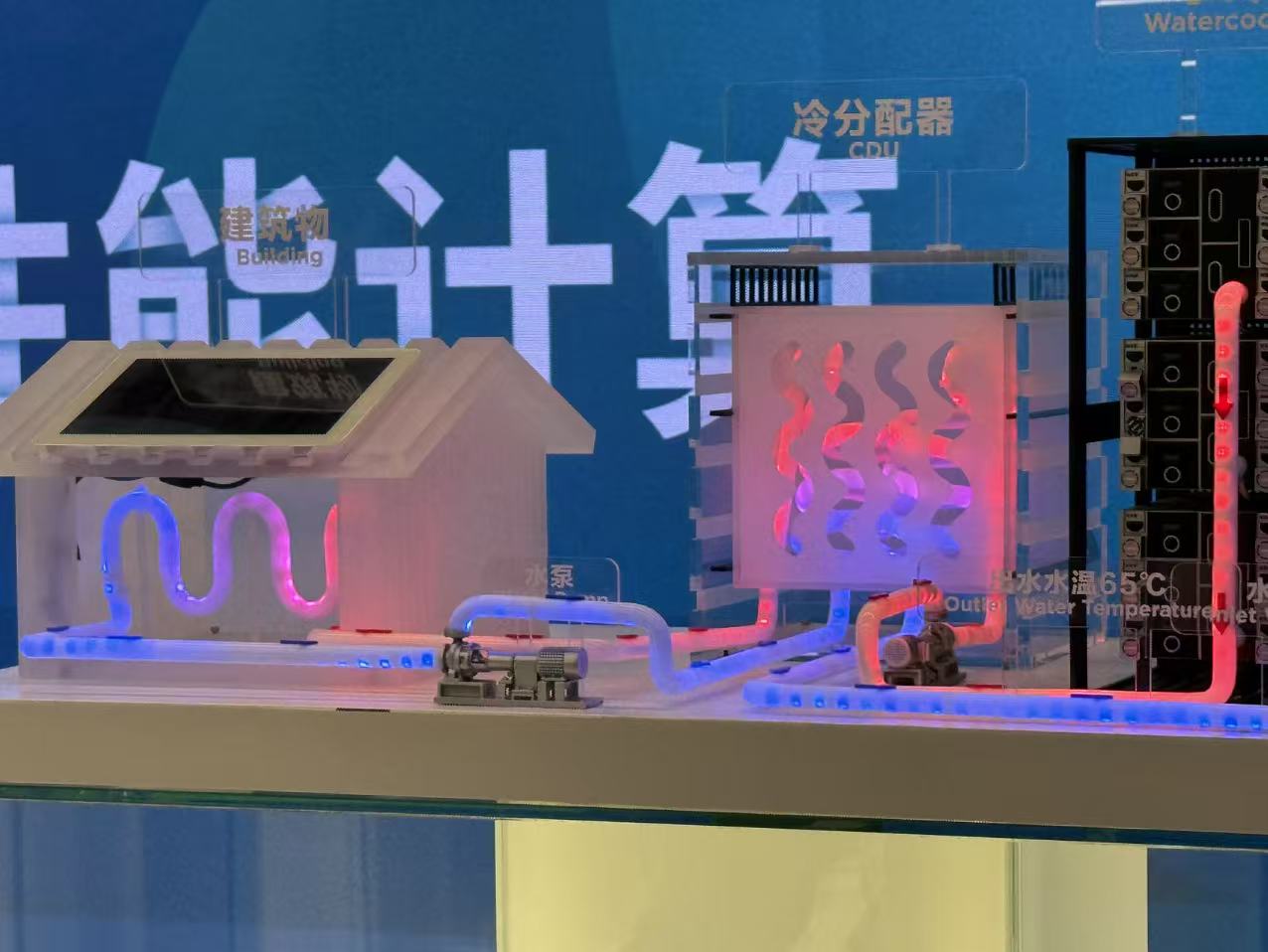
Lenovo staff introduced a project with Shanghai Jiao Tong University, where server-generated heat is recycled for building heating — “one minute of server operation equals twenty years of home computer use.”
In the Smart City section, G11-2 student Wang Luoyi discovered an AR-based fire monitoring system that detects potential risks faster than smoke alarms, supporting traffic and emergency management through self-learning algorithms.
Meanwhile, the Smart Agriculture display showcased AI systems tracking crop growth and yield in real time — already applied in Jiangxi and Yunnan.
From smart classrooms to sustainable data centers, students witnessed how innovation connects technology, environment, and education.
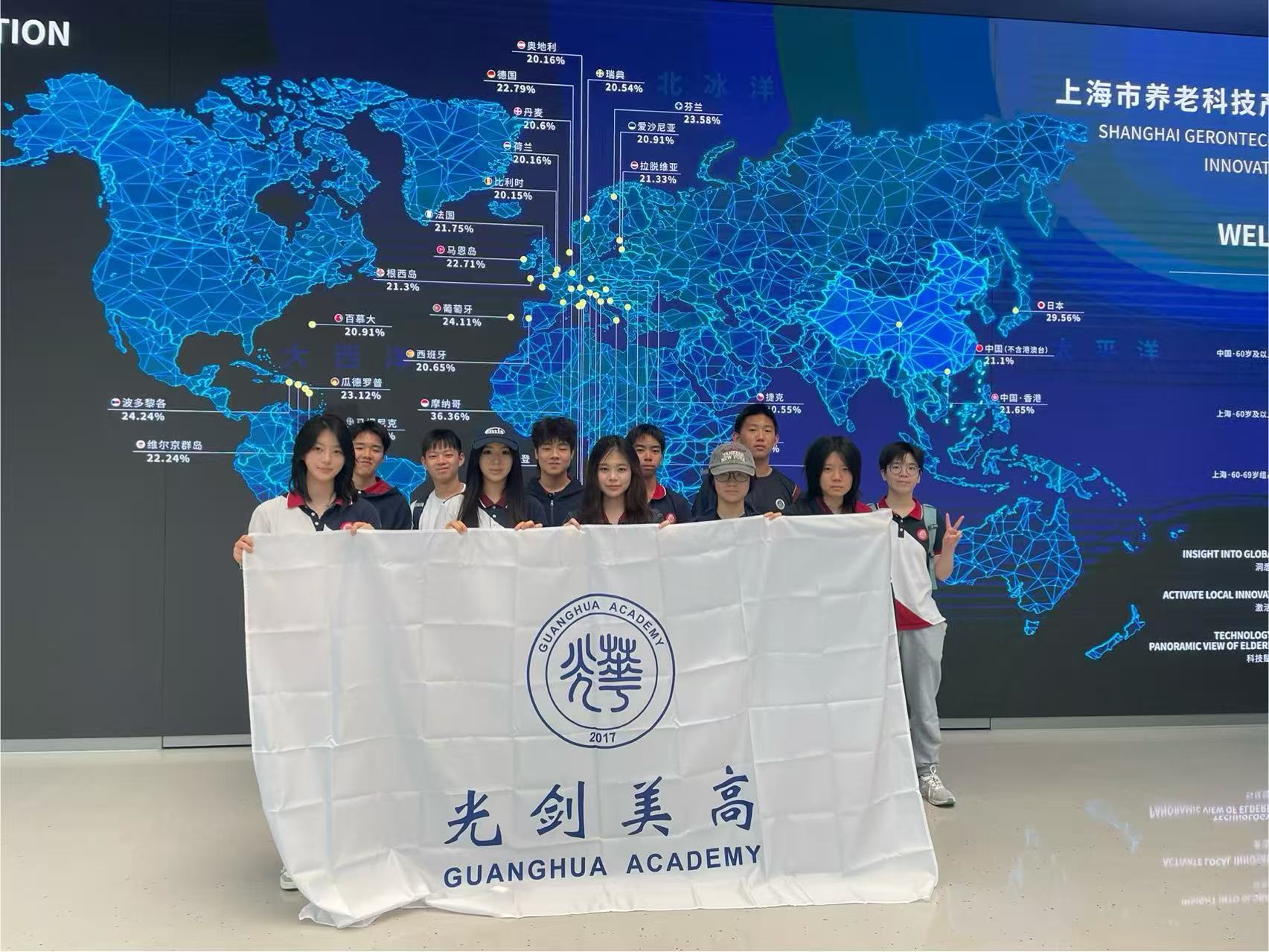
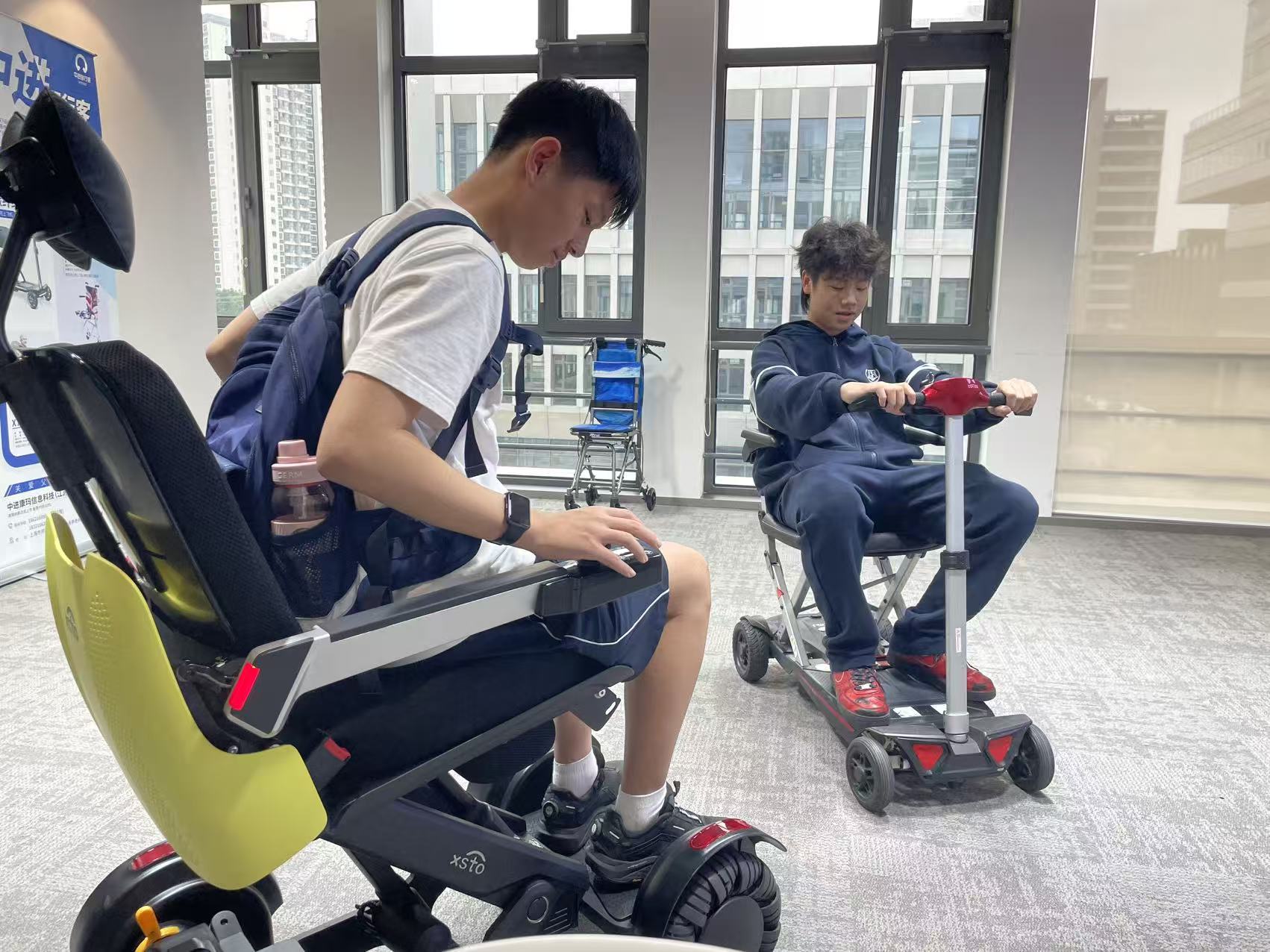
At Zhongjin Hongkang Medical Technology (Shanghai), students explored how AI enhances elder care and improves quality of life.
In the smart mobility zone, Sun Jiayi (G11-3) tested an electric scooter for seniors.
“It's very stable and light—one hand can lift it,” she said. With “Turtle” and “Rabbit” modes, users can choose between relaxed or faster speeds.
A highlight was the AI smart bed, which monitors heart rate, breathing, and blood pressure in real time, helping caregivers track health data accurately.
“When I lay down, the sensors instantly reacted to my heartbeat,” Sun shared. “The precision was incredible.”
Students Zhang Haocheng and Li Xiangliang tried a nano hair-washing machine:
“The soft water pressure felt like a five-minute head massage—so relaxing!”
Through touch, sight, and sound, students experienced how technology delivers comfort, dignity, and care to an aging society.
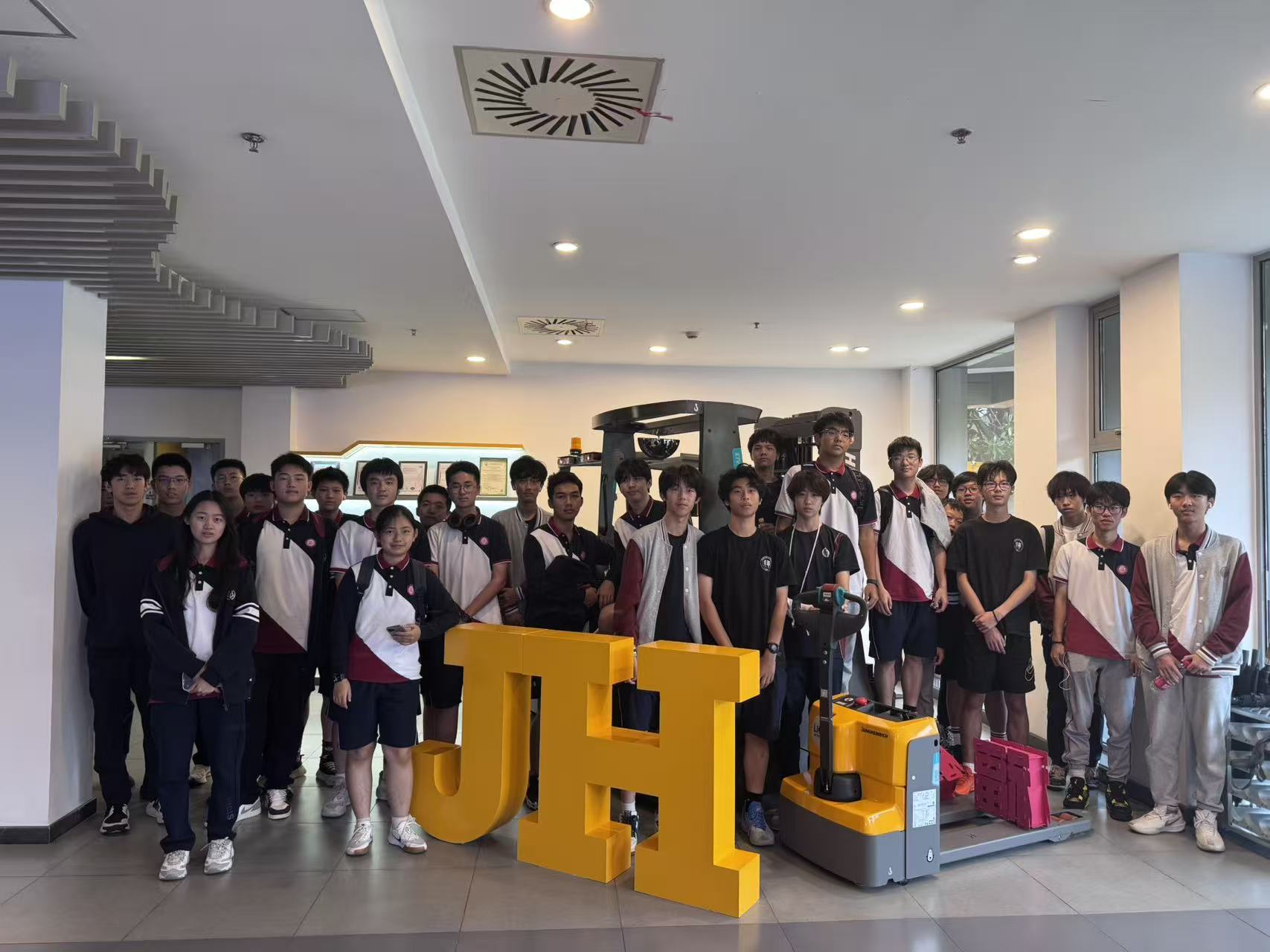
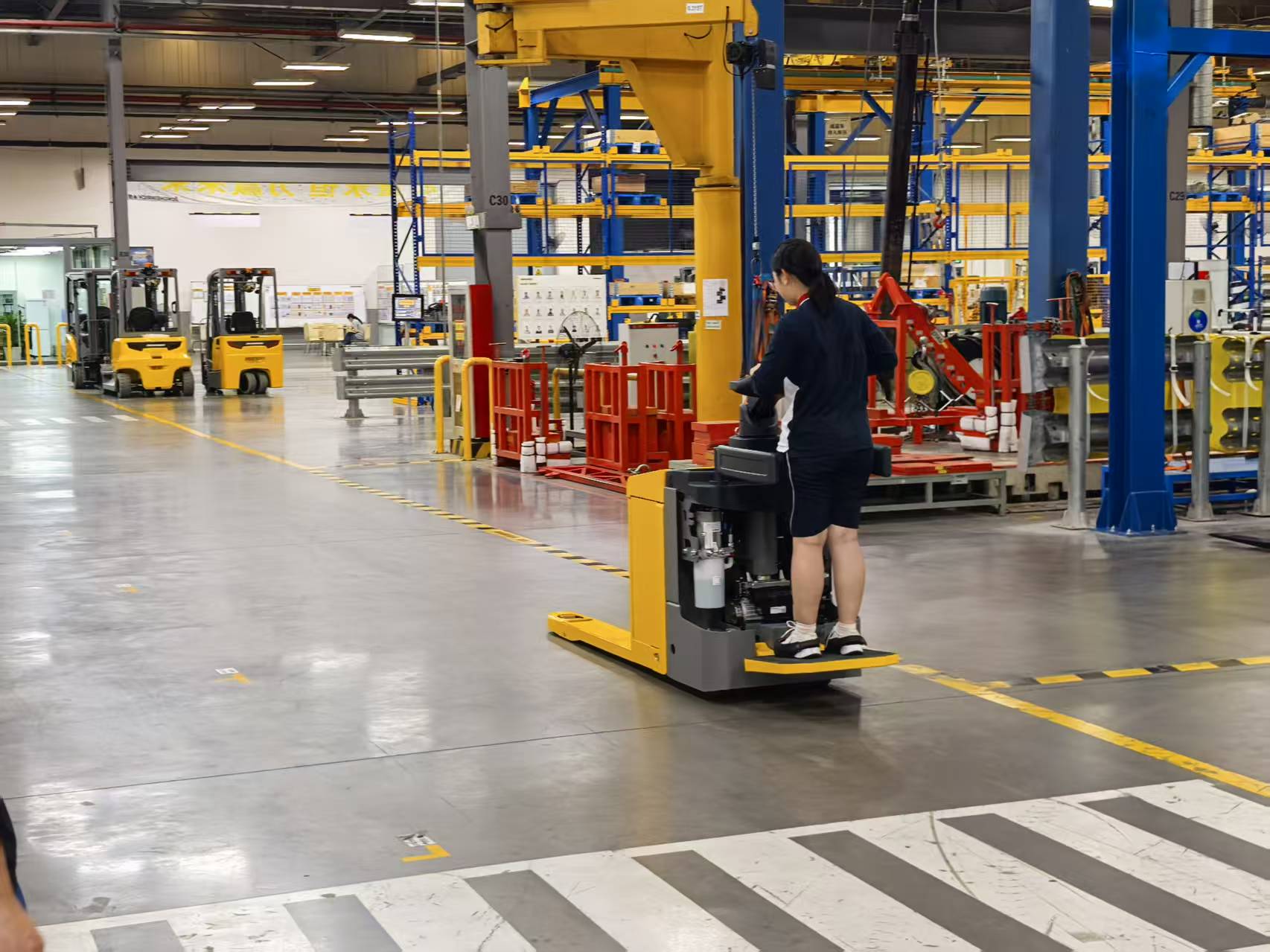
For the second year, Guanghua Academy students visited Jungheinrich’s Qingpu Factory to learn about modern logistics.
G10-2 student Jiang Xinyuan was captivated by forklifts retrieving goods from 10-meter-high shelves with precision.
G10-3 student Wang Ziqian even got to operate one herself.
“The controls require accuracy and focus,” she said. “It made me realize that in industrial systems, precision matters more than freedom.”
She was equally impressed by the workers’ professionalism and coordination:
“They move with such skill and rhythm — next time, I’d love to bring a camera to capture that beauty.”
These experiences blurred the lines between the physical and digital, helping students understand the logic and elegance of modern industry.
Through the “Activity Expansion Day: We Step Beyond the Campus” program, Guanghua Academy students measured the pulse of a smart city with their footsteps and felt the warmth of technology with their own hands.
They redefined learning — connecting classroom theories to real-world challenges, turning curiosity into research, and reflection into understanding.
Technology is no longer just a concept in textbooks, but a visible, tangible, and inspiring force shaping the future.
This is only the beginning — students will continue exploring industries and communities, discovering where technology meets humanity, and where learning becomes growth.